SDTC Digital's Dedicated AI Practice
AI that works in production. Not just in the demo.
Because 70% of enterprise AI never reaches production — we exist to change that.
AurvikAI is SDTC Digital's dedicated AI practice. We build AI systems that survive production reality — RAG pipelines, autonomous agents, computer vision, NLP, and predictive analytics. 18 years of engineering discipline applied to the hardest problem in enterprise technology: making AI actually work.
Technologies powering our AI practice
We build with the tools that fit the problem — not the ones we have the most certifications in.

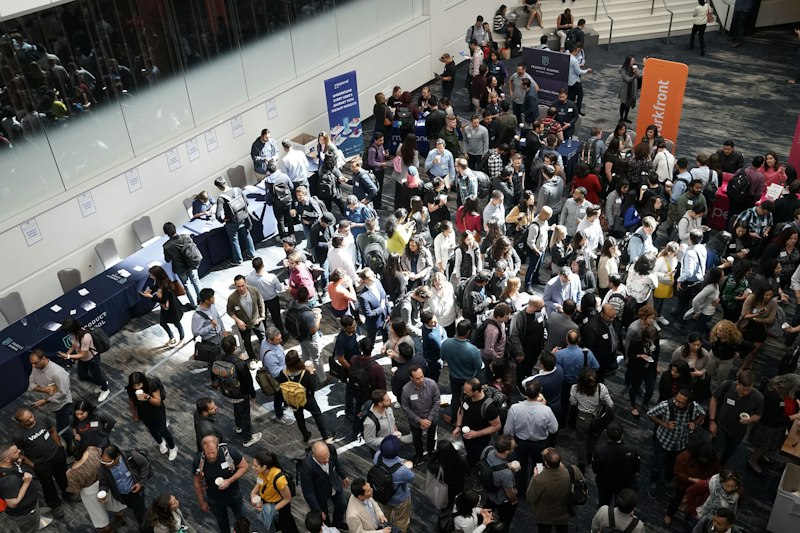
The AurvikAI team during a RAG architecture design sprint.
The numbers behind our AI practice.
AI systems deployed to production
Maximum time to measurable ROI
Average return on AI investment
Countries running our AI systems
Model accuracy across deployments
Client value generated by our AI
Production AI failures in 3 years
AI engineers on the team
What changes when AI actually works.
The difference between AI as a buzzword and AI as infrastructure.
Without AurvikAI
- AI projects stuck in proof-of-concept for 12+ months
- Models that work in notebooks but fail in production
- No evaluation framework — quality measured by vibes
- Data pipelines that break when real data arrives
- Security and compliance bolted on as an afterthought
- Vendor lock-in from choosing the trendy model, not the right one
With AurvikAI
- Production AI in 90 days with measurable ROI
- Systems designed for production from day one
- Automated evaluation pipelines on every model change
- Battle-tested data infrastructure that handles real-world messiness
- AI governance and compliance built into the architecture
- Model-agnostic design — swap providers without rewriting your system
Core AI capabilities.
Select a service to see what we deliver.
AI Development
We build production AI systems from architecture through deployment. RAG pipelines, recommendation engines, classification models, and autonomous workflows — designed for your data, your scale, and your compliance requirements. Every system includes monitoring, evaluation, and a clear path to model improvement.
AI systems in production

The Aurvik Method
Every AI engagement starts with architecture — not a model.
Most AI failures aren't model failures. They're architecture failures. The retrieval layer was an afterthought. The evaluation framework didn't exist. The data pipeline was fragile. We start every engagement with a 2-week architecture sprint that defines success metrics, data requirements, and system design before a line of model code is written.
Our 5-phase AI Success Framework has delivered 150+ production AI systems across healthcare, finance, logistics, and SaaS.
The fastest-moving space in enterprise technology
Generative AI and autonomous agents. Built for your business, not for a demo.
LLMs, RAG pipelines, multi-agent systems, and AI-powered automation. We build generative AI that's grounded in your data, governed by your policies, and measured by your business metrics. Not chatbots that hallucinate — systems that deliver.
Generative AI
LLM-powered applications, copilots, and content engines built on OpenAI, Anthropic, or open-source models. Every deployment includes guardrails, cost controls, and evaluation.
RAG Development
Retrieval-augmented generation pipelines with hybrid search, re-ranking, and document-type-specific chunking. The architecture that separates production RAG from demo RAG.
AI Agents
Autonomous agents for procurement, compliance, customer service, and research workflows. Multi-agent orchestration with human-in-the-loop controls.
LLM Fine-tuning
Domain-specific model adaptation when RAG isn't enough. LoRA, QLoRA, and full fine-tuning with evaluation pipelines that measure actual task performance.
Explore Generative AI services

Real-time model monitoring — every prediction tracked, every anomaly flagged.
Machine Learning & Applied AI.
From predictive models to computer vision — ML that solves measurable business problems.
Predictive models, classification, recommendation systems, and anomaly detection — built on your data, validated against your metrics.
Demand forecasting, churn prediction, risk scoring, and time-series analysis.
Collaborative filtering, content-based, and hybrid recommendation systems for e-commerce, media, and SaaS.
Document classification, sentiment analysis, and named entity recognition for automated workflows.
Real-time anomaly detection for fraud, infrastructure monitoring, and quality control.
Explore ML & Applied AI services
From the founder
Why most enterprise AI fails — and how we prevent it.
Swarnendu De on the three things that determine whether an AI project reaches production: architecture discipline, data readiness, and the courage to kill projects that won't deliver ROI.
AI is only as good as its data
Data engineering and analytics — the foundation every AI system needs.
Before the first model is trained, the data infrastructure needs to be right. Pipelines, warehouses, quality frameworks, and governance — the invisible layer that determines whether your AI is brilliant or dangerous.
Data Analytics
Data Analytics
Strategy, stack design, KPI frameworks, and self-serve BI that lets your team answer questions without filing a ticket.
Data Engineering
Data Engineering
Pipelines, warehouses, ETL/ELT, and real-time streaming. The plumbing that makes everything else possible.
Business Intelligence
Business Intelligence
Dashboards, reporting, and embedded analytics that surface the insights your stakeholders actually need.
Predictive Analytics
Predictive Analytics
Forecasting, churn prediction, demand planning, and risk models trained on your data and validated against your metrics.
Explore Data & Analytics services
Who builds it
Senior AI engineers. Not handed off to juniors.
Every AurvikAI engagement is led by a senior engineer with 8+ years of production ML experience. The architect who designs your system in week one is in your sprint reviews in week eight. Swarnendu De is directly involved in every AI architecture review.
- Average AI engineer experience: 8+ years
- Swarnendu De — architecture review on every engagement
- Dedicated team — no rotation, no handoffs
- Direct Slack access to the engineering lead

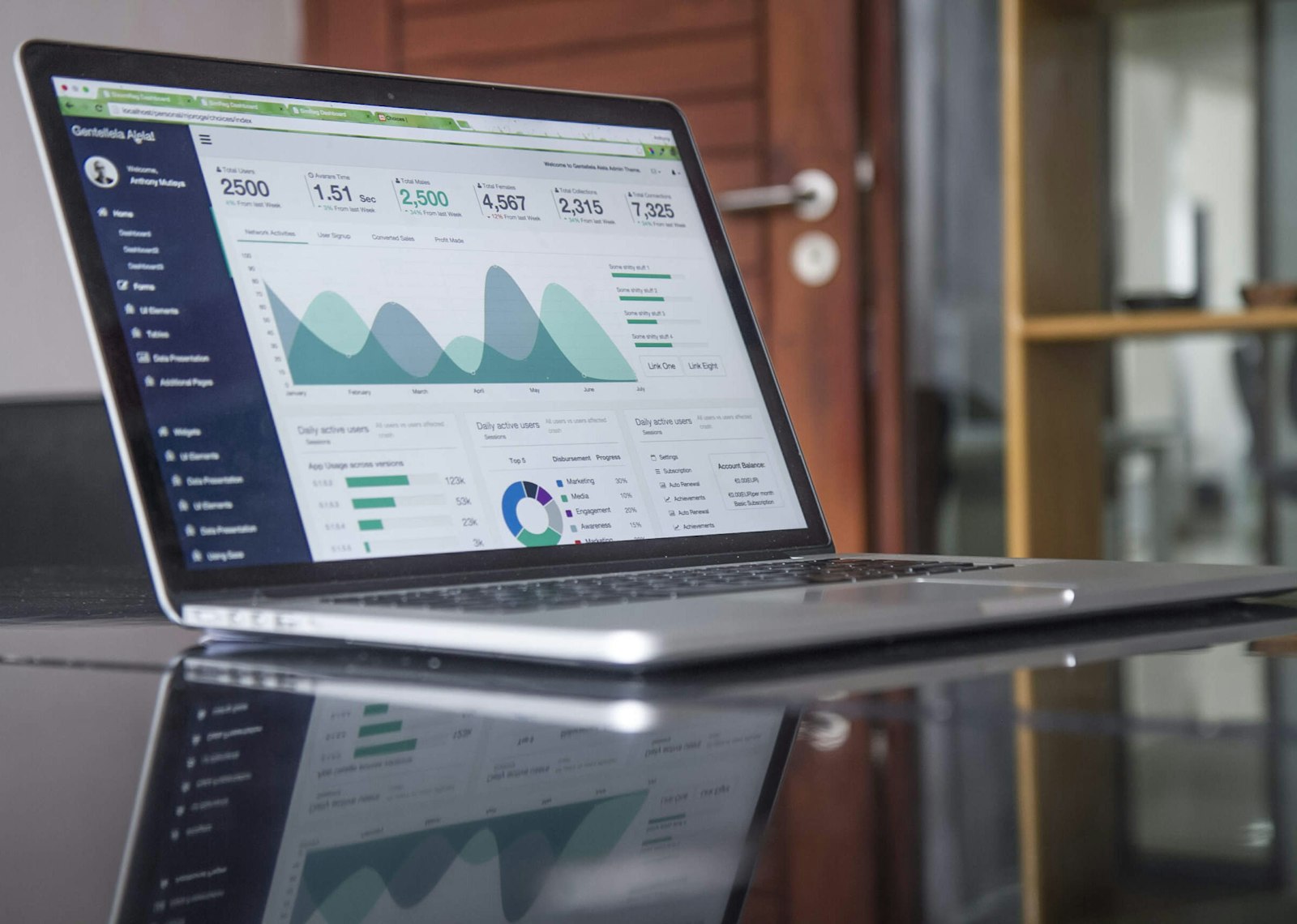
Production AI monitoring — model accuracy, latency, and business impact tracked in real time.
The Aurvik Method — 5 phases to production AI.
A structured framework that’s delivered 150+ production AI systems. No shortcuts, no hand-waving.
Discovery & Data Audit
Assess AI readiness, audit data quality, map use cases to business value, and define measurable success criteria. Every engagement starts here — because building the wrong thing fast is worse than building the right thing deliberately.
1–2 weeks
Architecture & Design
System architecture, model selection, data pipeline design, and integration mapping. The architecture decision record explains every significant choice — model, infrastructure, and trade-offs.
1–2 weeks
Build & Validate
Model development, training, evaluation, and system integration. Every model is validated against production-representative data with automated evaluation pipelines that run on every change.
4–8 weeks
Deploy & Monitor
Production deployment with monitoring, alerting, and observability from day one. A/B testing, gradual rollout, and automated rollback triggers ensure the system is safe to run at scale.
1–2 weeks
Optimise & Scale
Post-deployment optimisation — model retraining, cost reduction, performance tuning, and feature expansion. The 30/60/90-day review cycle that ensures your AI investment keeps delivering.
Ongoing
Deep dive
Learn how the Aurvik Method works in detail.
5 phases, 90-day ROI commitment, and the engineering discipline that makes AI actually ship.
“AurvikAI delivered a production RAG system in 8 weeks that our internal team had been trying to build for 6 months. The architecture they designed handled 10x the query volume we expected.”
VP Engineering
“What impressed us most was the honesty. They told us which of our five proposed AI projects would actually deliver ROI — and which ones were solutions looking for a problem. That saved us millions.”
CTO
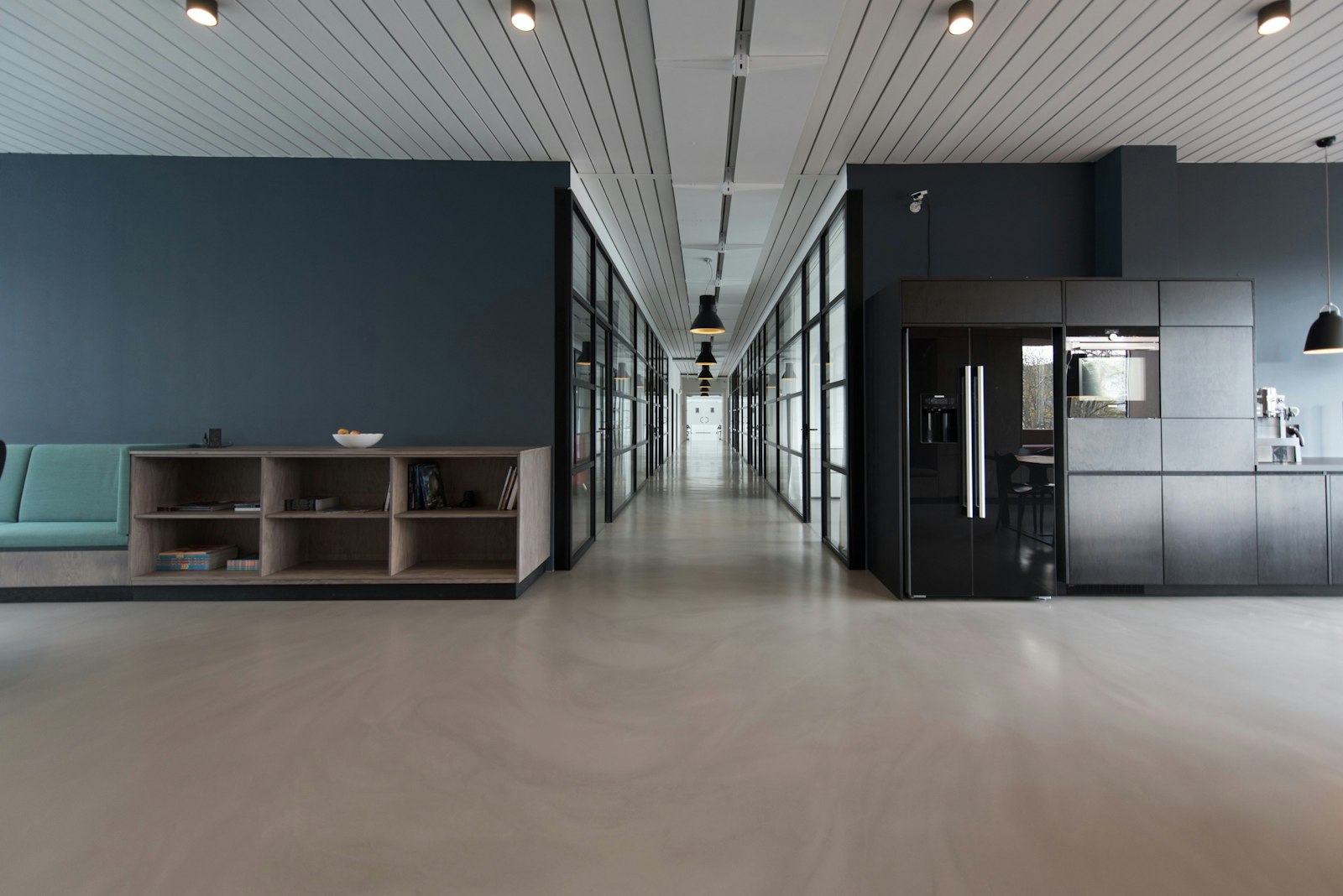
SDTC Digital headquarters — where AI systems are designed, built, and shipped.
INSIGHTS
Thinking worth reading

Ready to build AI that actually ships?
Tell us what you’re building. We’ll come back with a clear assessment of whether AI is the right approach, what it will take to build it, and whether we’re the right team to do it.